


Table of Contents
- A Practical Inventor Who Changed Music Forever
- The Telecaster and the Birth of the Solid-Body Electric Revolution
- The Stratocaster: Engineering Meets Artistry
- The Precision and Jazz Bass: Reinventing the Foundation of Popular Music
- The Cultural Impact: An American Original
- Balancing Heritage With Modern Innovation
- Why Players Still Choose This Brand Today
- Why Vera Guitars Loves Carrying These Instruments
- The Legacy Continues
The Story of Fender Guitars: Innovation, Sound, and the Birth of a Modern Icon
Few instrument makers have influenced music as profoundly as Fender. From the earliest days of amplified performance to today’s chart-topping genres, this legendary company has shaped the sound of modern music for nearly eight decades. The unmistakable snap of a Telecaster, the fluid chime of a Stratocaster, and the punch of the Precision Bass continue to anchor countless recordings and live performances.
At Vera Guitars, we’ve played, sold, and serviced thousands of instruments over the years, and we’ve seen firsthand how deeply these guitars connect with players. While the musical world keeps shifting, the influence of Fender remains constant. This is the story of how one innovative company changed the entire landscape of guitars, basses, and popular music — and why their instruments still matter today.
A Practical Inventor Who Changed Music Forever
The journey begins with Leo Fender, a quiet, analytical engineer who never set out to become a guitar hero — or even a guitar player. He was a problem-solver who spent his early years repairing radios, PA systems, and amplifiers in a small shop in Fullerton, California.
Musicians brought their broken amps and fragile guitars to Leo daily. He saw the same issues repeatedly:
Instruments that were hard to tune
Necks that warped or broke
Electronics that failed onstage
Designs that were difficult to service
Leo’s thought process was simple: what if guitars were built to be durable, modular, and easy to maintain?
That idea eventually led to one of the biggest turning points in music history.
The Telecaster and the Birth of the Solid-Body Electric Revolution
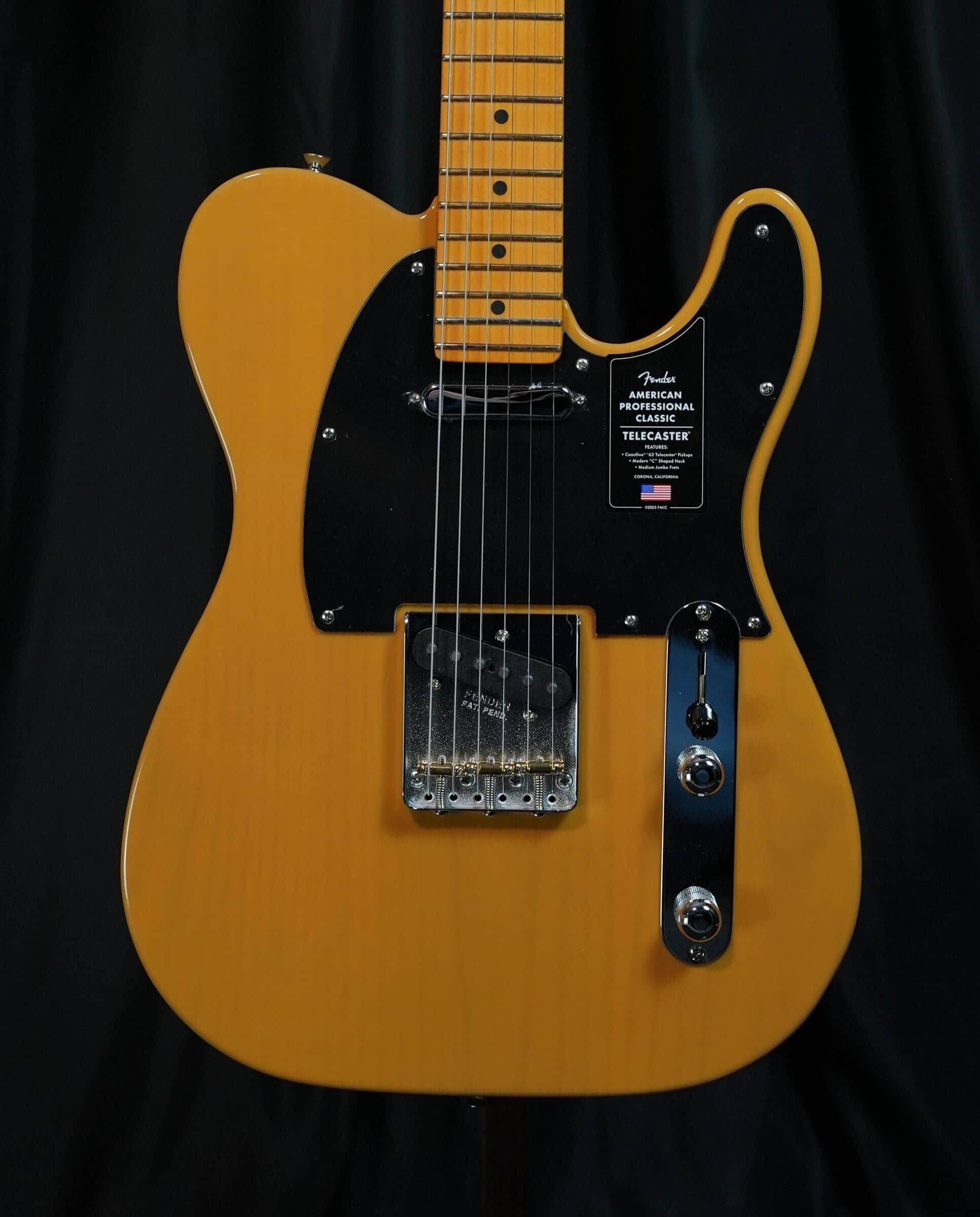
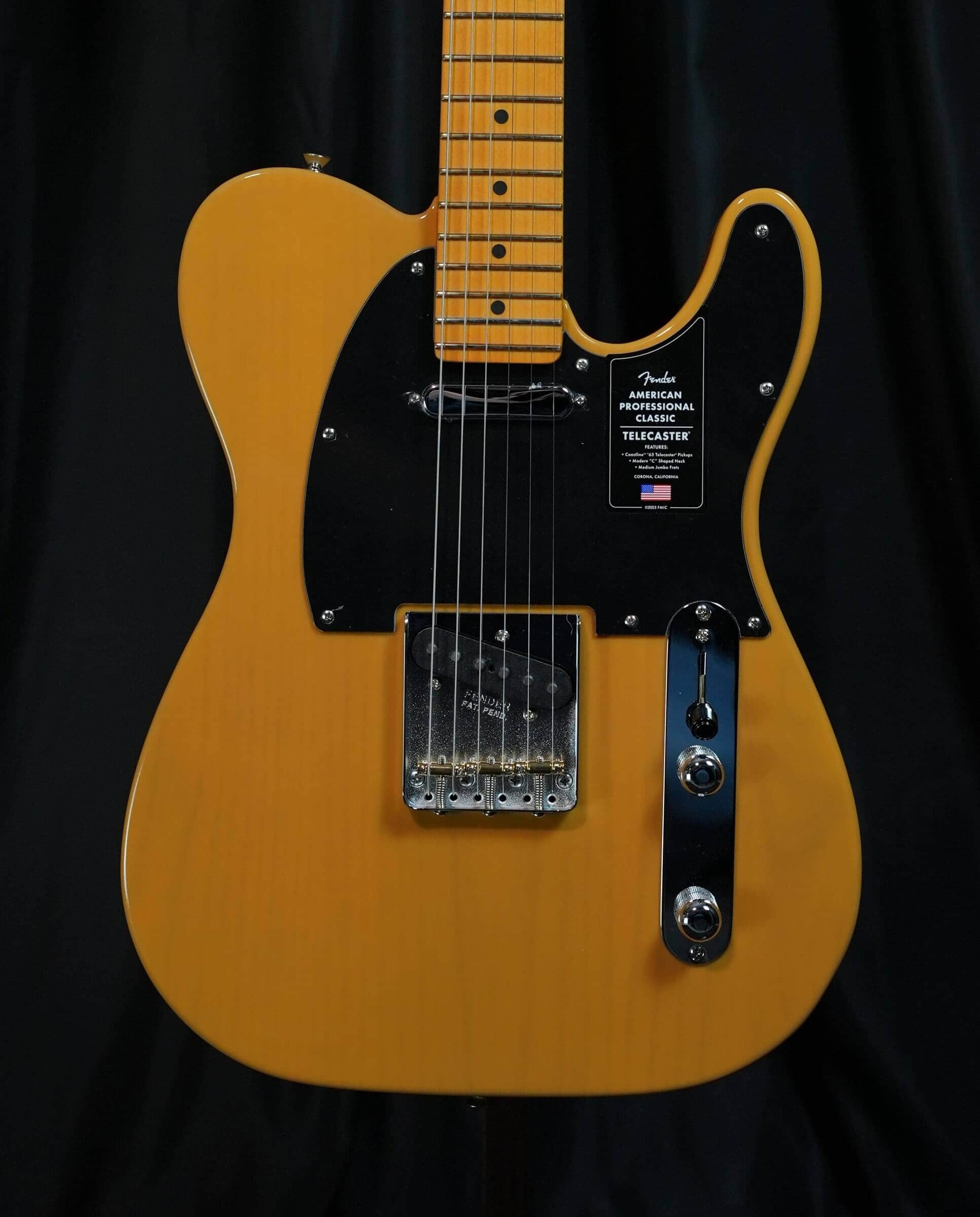
The first milestone was a no-nonsense, practical instrument designed to withstand the demands of working players: the Telecaster.
It wasn’t flashy. It wasn’t sculpted. It wasn’t experimental.
But it worked, and it worked every night, under any conditions.
Its defining traits were revolutionary:
A bolt-on neck that could be replaced easily
Rugged electronics
A bright, cutting bridge pickup
Simple controls that worked reliably
A body shape ideal for mass production
The Telecaster cut through smoky bars, big band stages, honky-tonks, and the earliest rock and roll shows. Its snappy character, powerful attack, and nearly indestructible build made it a cornerstone of electric guitar history.
Even today, the Tele remains one of the most recorded instruments ever created.
The Stratocaster: Engineering Meets Artistry
A few years later came the design that would define the electric guitar for generations: the Stratocaster.
Where the Tele was rugged and straightforward, the Strat was sleek and ergonomic. Players wanted more comfort, more tones, and more expressive tools. Leo responded with:
Contoured body edges
A tremolo system that expanded musical expression
Three pickups for unprecedented tonal variety
An innovative control layout
A body shape inspired by mid-century surf culture and automotive design
The Stratocaster became the iconic sound of rock, blues, funk, pop, gospel, and beyond. Artists across eras — from Jimi Hendrix to Eric Johnson to John Mayer — found endless inspiration in its dynamic character.
No guitar has crossed more genres or appeared on more legendary recordings.
The Precision and Jazz Bass: Reinventing the Foundation of Popular Music
If the electric guitar changed the front of the stage, Fender revolutionized the backline with the world’s first widely adopted electric bass. The Precision Bass replaced cumbersome upright basses on stages everywhere, offering:
Accurate, fast intonation
A small, portable body
Powerful low-end that could compete with amplified bands
The ability for bassists to move freely onstage
Players in Motown, rock, funk, soul, jazz, country, and punk all gravitated toward the new sound. The later Jazz Bass refined the formula with a slimmer neck and expanded tonal range, quickly becoming a favorite among session musicians worldwide.
Between the P-Bass and the J-Bass, the company essentially rewrote the rulebook for bass guitar design.
The Cultural Impact: An American Original
Across nearly every modern musical genre, the influence of this company is unmistakable. Over the decades, their designs became part of the “American sound” — bright, expressive, soulful, and versatile.
Their instruments shaped massive genres:
Rock & Blues – expressive single-coils, tremolo creativity, clean-to-crunch dynamics
Country – twang and clarity
Jazz – smooth, articulate lines from Jazzmasters, Jaguars, and Jazz Basses
Pop & Indie – shimmering cleans and ambient textures
Worship & Modern Production – chimey, spacious tones
Metal & Hard Rock – hot-rodded versions with modern features
While many companies designed excellent alternatives, few ever matched the widespread cultural reach of these original models.
Balancing Heritage With Modern Innovation
Although millions love the classic designs, the company has never stopped pushing forward. Today’s lineup blends vintage personality with modern refinements, offering something for every type of guitarist.
Recent innovations include:
Smooth satin finishes
Rolled fingerboard edges
Compound-radius options
Locking tuners
Noiseless pickup systems
High-performance bridges
S-1 switching and expanded wiring options
These upgrades make today’s guitars and basses more comfortable, more reliable, and better suited for modern studios and stages — while still honoring their roots.
Why Players Still Choose This Brand Today
From beginners to professionals, several factors continue to make these guitars some of the most trusted instruments on the market:
Consistency — dependable quality across price ranges
Customizability — nearly endless upgrade paths
Familiar tones — great in live mixes, studio sessions, or home recordings
Resale value — strong across most models
Playability — ergonomic, comfortable, and easy to dial in
Legacy — decades of inspiration, iconic recordings, and timeless designs
It’s rare for a brand to remain relevant across multiple generations — but these instruments continue to inspire both new and experienced players.
Why Vera Guitars Loves Carrying These Instruments
At Vera Guitars, we take pride in the lines we carry. We evaluate brands not just on hype, but on craftsmanship, reliability, sound, and how well they serve our customers.
Here’s why these guitars remain a cornerstone of what we offer:
They’re stage-ready right out of the box — and even better after a Vera setup
They cover more genres than almost any other instrument family
They work exceptionally well with modern modelers (Quad Cortex, Tone Master Pro, HX Stomp, etc.)
They respond beautifully to upgrades and mods
They’re inspiring instruments that make players want to practice
Whether someone is purchasing their first Player Series Strat or upgrading to an American Ultra Luxe model, these instruments consistently deliver.
The Legacy Continues
From a small California workshop to the hands of millions of players worldwide, this company’s story is more than a brand history — it’s a story about music itself. The designs that Leo Fender introduced in the 1950s continue to inspire players, shape genres, and define the sound of modern guitar.
At Vera Guitars, we’re honored to help musicians discover the next chapter of their musical voice with instruments that have stood the test of time.
Whether you’re building your first rig, expanding your collection, or searching for the perfect tone you’ve chased for years, this legendary maker offers something timeless for every kind of player.