

Table of Contents
When a guitar feels stiff, plays out of tune, sounds dull, or just doesn’t respond the way it should, the problem often begins at two critical components: the nut and the saddle. These small pieces of material have a huge impact on tone, tuning stability, action, and overall feel. A perfectly cut nut improves comfort and accuracy. A properly shaped saddle enhances volume, clarity, and resonance. When either part is worn, poorly shaped, or made from low-quality materials, the entire instrument suffers.
At Vera Guitars in Charlotte, NC, we specialize in nut and saddle replacement, crafting each piece from premium bone blanks and hand-carving them with precision. Whether you need a nut replacement, a saddle upgrade, adjustment, spacing correction, or full customization, we take a meticulous approach that transforms how your guitar feels and sounds.
This guide breaks down what the nut and saddle do, why they matter, signs you need service, why Charlotte players deal with more issues than most, and how a professionally carved nut or saddle can completely transform your instrument.
What Are the Nut and Saddle?
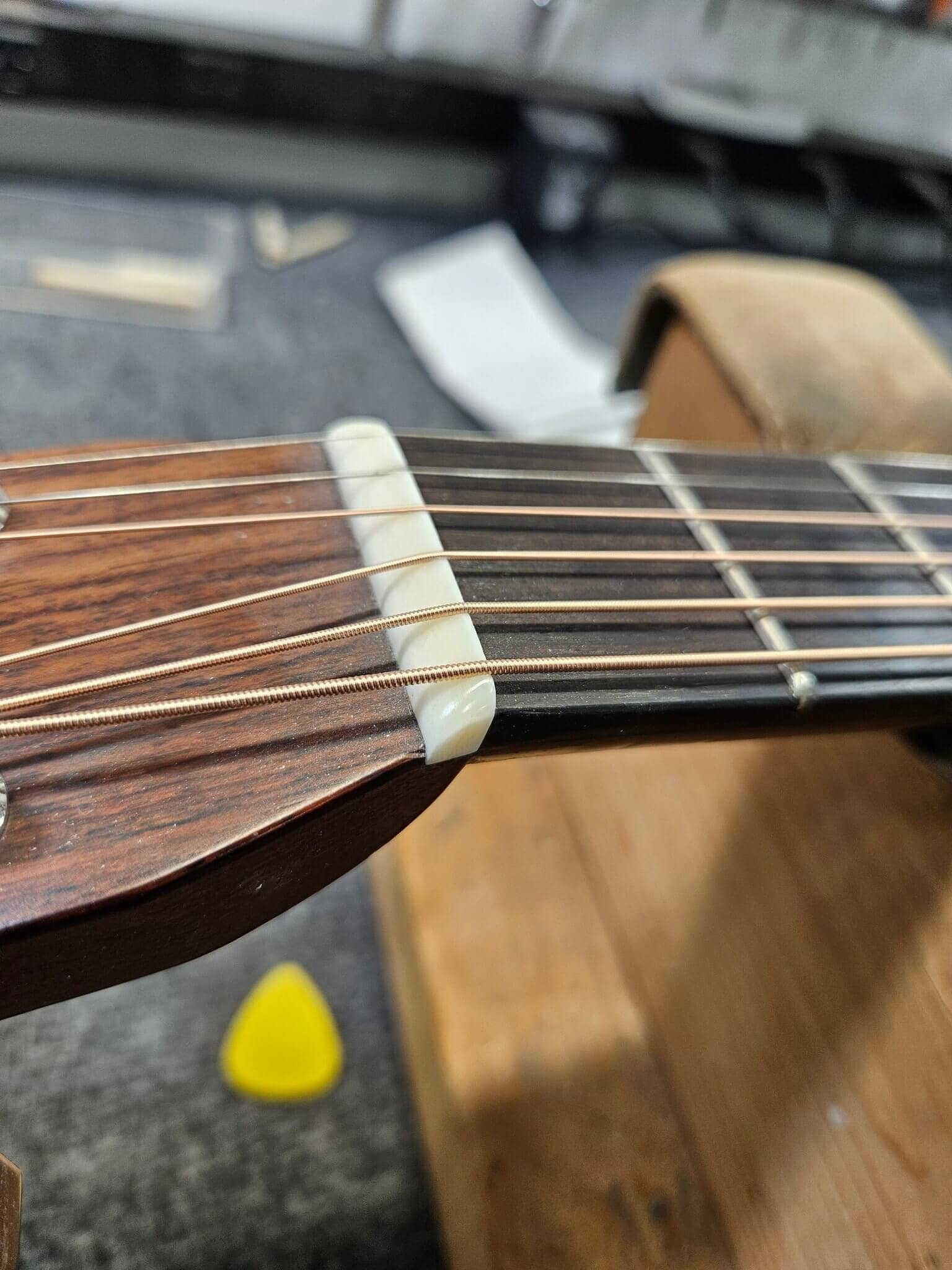
The nut is the small piece of material at the end of the fingerboard that guides the strings toward the tuners. It sets string spacing, affects tuning stability, and determines how easy your guitar feels near the first few frets.
The saddle sits in the bridge and sets overall string height and how the strings transfer vibration into the instrument. On an acoustic guitar, the saddle plays a major role in volume, brightness, and sustain. On electrics, saddles can be individually adjustable or replaced depending on design.
Together, these two components form the starting and ending points of your string path. When both are shaped with precision, your guitar plays smoothly, sounds balanced, and stays in tune. When either is off, the instrument works against you.
Why Nut and Saddle Quality Matters
A guitar’s nut and saddle influence:
Tone
Bone transfers vibration more efficiently than most synthetic materials, giving you better clarity, punch, and articulation.
Tuning Stability
A well-cut nut prevents binding and allows strings to return to pitch after bends or tremolo use.
Comfort
Properly shaped and spaced nut slots help your fretting hand feel more natural and reduce fatigue.
Action & Playability
The nut affects everything from open-chord comfort to barre-chord ease.
The saddle affects full-neck height and intonation.
Balance & Response
A hand-carved saddle enhances projection, harmonic content, and dynamic response.
Every great-playing guitar starts with a nut and saddle that are carved, shaped, and fitted correctly.
Signs Your Guitar Needs a Nut or Saddle Service
If you’re experiencing any of these symptoms, it’s time for a closer look:
Buzzing or rattling near the first few frets
Strings binding or “pinging” when tuning
Poor tuning stability
Difficulty fretting open chords
Uneven string spacing
Sharp edges or uncomfortable feel at the nut
High action that adjustments can’t fix
Low saddle causing weak volume or poor tone
Intonation problems that don’t resolve with adjustments
Visible wear on nut slots or saddle contact surfaces
Even high-end guitars often leave the factory with only a “rough cut” nut or a generic saddle. Fine instruments perform dramatically better with a properly carved set.
Why Charlotte Guitars Often Need Nut and Saddle Work
Humidity affects nuts and saddles more than most players realize. Charlotte’s climate shifts cause:
Fingerboards to expand and contract
Nut slots to change shape as wood shifts
Saddles to sit deeper or tighter in their slots
Acoustic tops to rise and fall, affecting saddle height
Slight alignment changes that alter how strings break over these components
Over time, these changes affect tuning stability, comfort, and tone. A guitar that once played perfectly might feel drastically different a few seasons later.
This is why routine evaluation is so important for musicians in Charlotte, Matthews, Gastonia, Rock Hill, Concord, and Ballantyne.
Acoustic vs. Electric Nut and Saddle Needs
Acoustic Guitars
Acoustic saddles have a HUGE impact on volume and clarity. A poorly shaped or low-quality saddle can sap life from an otherwise great guitar. Bone upgrades are the single most effective improvement you can make to most acoustics.
Acoustic nuts also play a major role in intonation and feel. Wear over time changes how chords ring and how the instrument behaves when tuned up.
Electric Guitars
Electrics rely heavily on a well-cut nut for tuning stability—especially for players who bend strings, use vibrato systems, or play heavier styles.
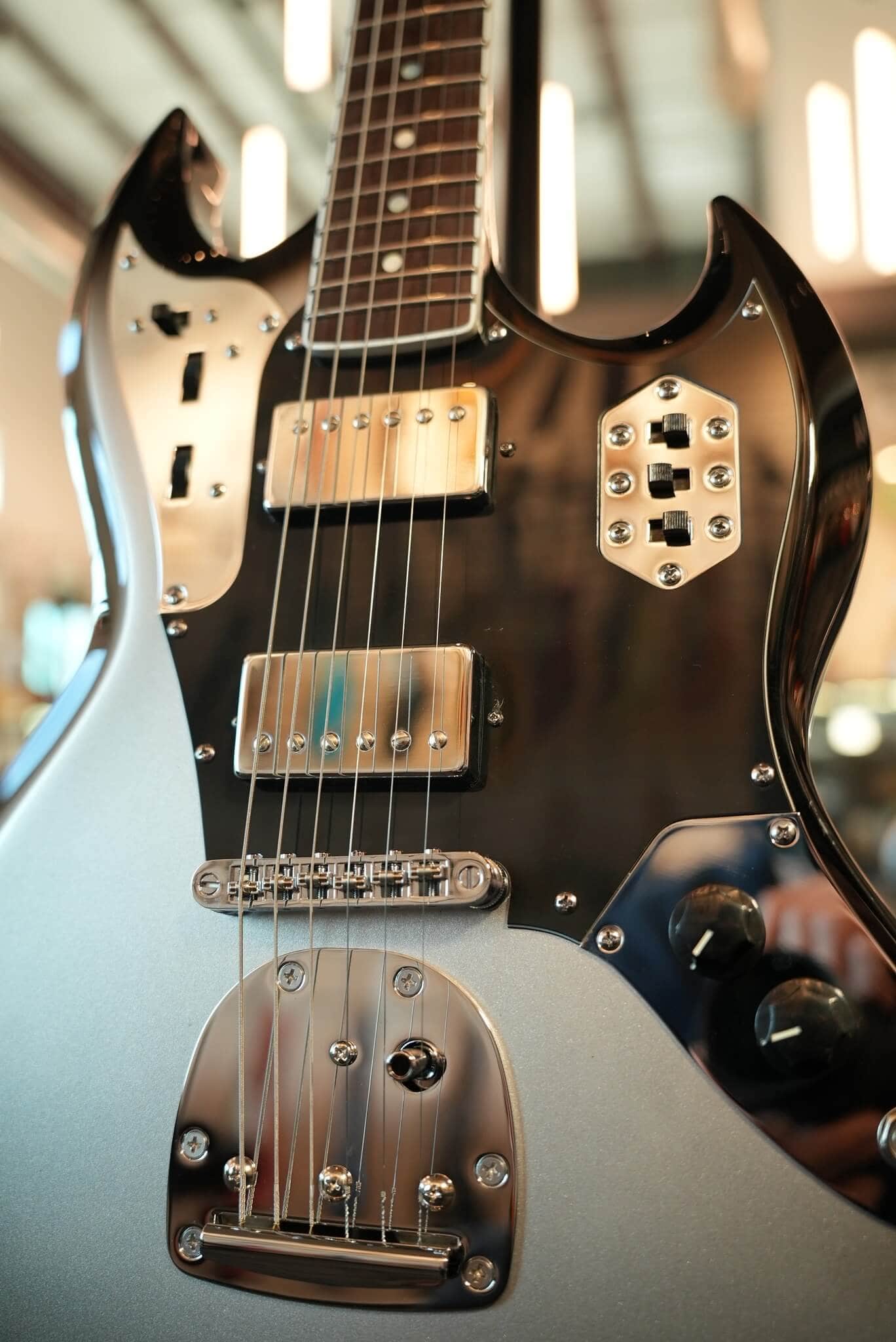
Electric saddles may not require as much tonal shaping as acoustics, but height, break angle, and material still affect sustain and clarity.
Both benefit significantly from professionally cut and carved bone components.
Why Josh’s Hand-Carved Bone Nuts & Saddles Make the Difference
A quality nut or saddle is not a part you can simply “drop in.”
It must be carved to match YOUR guitar, YOUR string gauge, and YOUR playing style.
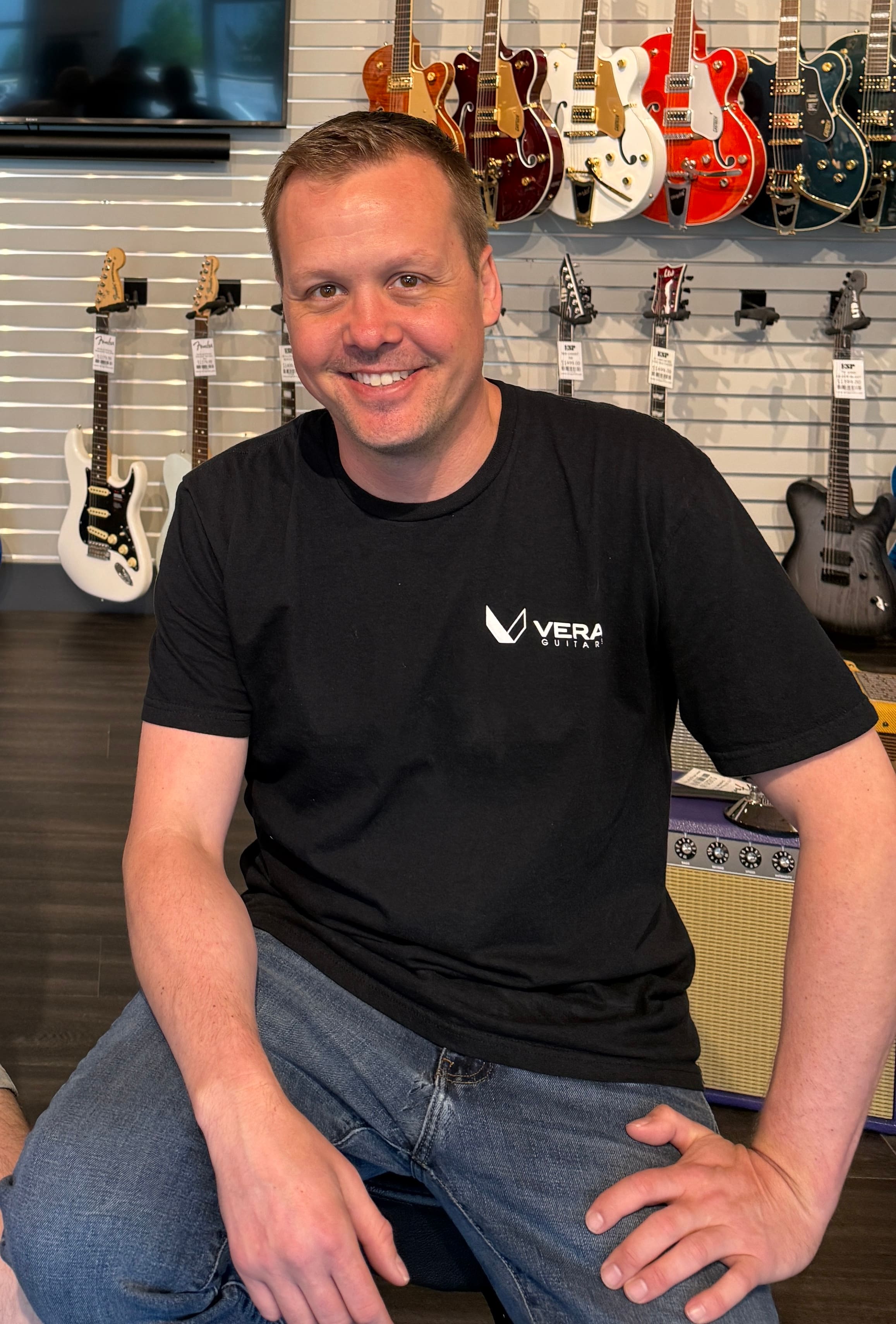
At Vera Guitars, Josh hand-carves every nut and saddle from bone blanks, shaping them specifically for each instrument. This is a highly skilled process that blends woodworking precision, feel-based decision making, and tonal awareness.
✔ Premium Material
Bone is chosen for its resonance, durability, and tonal clarity. No synthetic nut or saddle can replicate its harmonic response.
✔ Precision Craftsmanship
Every slot, angle, and contour is shaped to exact specifications. This ensures clean vibration transfer, comfortable feel, and reliable tuning.
✔ Customized Fit
Josh evaluates your instrument, your technique, your tuning habits, and your preferred gauge before carving anything. Each piece is tailored to the player—not mass-produced.
✔ Structural Integrity
Proper shaping prevents premature wear, binding, or tonal loss.
✔ Consistency
A hand-carved nut or saddle restores balance, responsiveness, and tone across the entire neck.
✔ Trust
Players bring their instruments to Vera Guitars because they know these components are carved with extreme attention to detail. The goal is simple: your guitar should feel better, sound better, and perform better than it ever has.
Josh’s advanced technique is the reason musicians across Charlotte trust our shop with high-end instruments, vintage guitars, and daily gigging workhorses.
Why DIY Nut and Saddle Work Almost Always Fails
Nut and saddle work looks simple—until you try it.
Common DIY mistakes include:
Filing slots too deep
Using the wrong tools or files
Poor spacing
Incorrect break angle
Rough slot walls
Removing too much saddle material
Creating a buzzing or choking effect
Once these components are damaged, replacing them becomes significantly more difficult.
A hand-carved nut or saddle requires precision that comes only from experience, proper tools, and a deep understanding of instrument geometry.
Additional Guitar Services at Vera Guitars
We also offer:
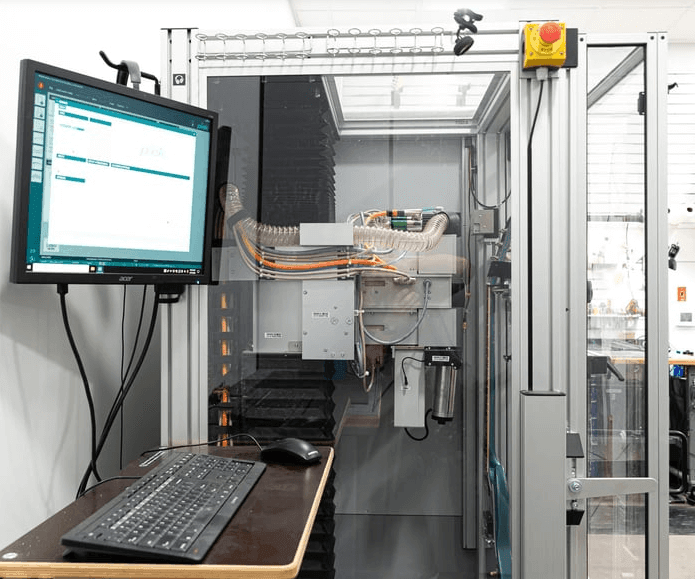
Fretwork & Plek precision fret leveling
Neck resets
Structural crack repair
Bridge reglues
Electronics repair & pickup installation
Hardware upgrades
Full performance setups
Seasonal adjustment services
Your guitar will be evaluated thoroughly before any work begins.
When to Bring Your Guitar In
If your guitar feels uncomfortable, doesn’t hold tune, sounds dull, or has action issues that adjustments can’t fix, bring it in for a professional evaluation. Josh will determine whether nut and saddle replacement is needed—or whether a simpler service will get your instrument playing its best.
Your guitar deserves components that are sculpted with care, precision, and tonal intention.